
CNHRA PERSON RECORD · CNHRA-P-778685
Wei Jingsheng
Born
Unknown
Occupation
Writer and democracy advocate
Role
Dissident
Record ID
CNHRA-P-778685
Visual Records
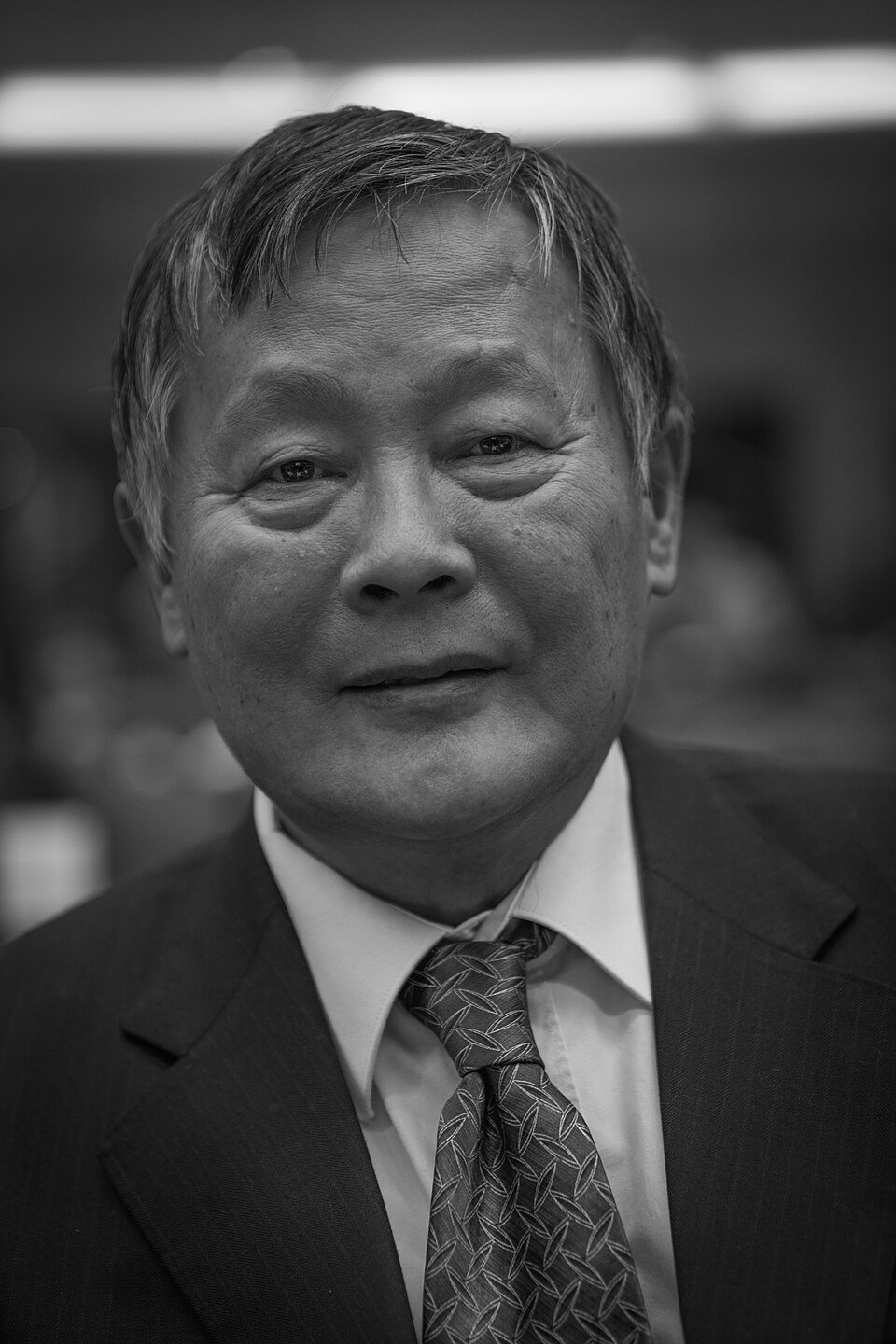
Wei Jingsheng at the European Parliament in Strasbourg on November 20, 2013, according to the photographer.
Biography
Wei Jingsheng, formerly an electrician at Beijing Zoo, participated in Beijing’s Democracy Wall movement. In 1978 he published The Fifth Modernization: Democracy and founded and edited the unofficial journal Exploration, joining public debate on political reform in China.[1][2]
The foundation’s 2002 biography describes Wei’s Cultural Revolution travels, farming in Anhui and military service before his zoo job.[7]
The Fifth Modernization asks how those in power should be held accountable to the people. Wei argued that modernization in industry, agriculture, defense, and science and technology should be accompanied by political rights and public participation in decisions affecting people’s lives.[5]
Sentenced to fifteen years in 1979, Wei continued expressing his views through prison letters. Human Rights Watch reported prolonged solitary confinement and deteriorating health.[2][1]
After release in 1993, he resumed meeting activists and journalists and publishing essays. Detained again in 1994, he received a fourteen-year sentence the following year. He received the European Parliament’s Sakharov Prize while imprisoned in 1996 and left China for the United States in 1997.[1][3][2][6]
His prison letters and other writings were collected as Courage to Stand Alone. In exile he continued writing and broadcasting, and helped establish the Overseas Chinese Democracy Coalition in 1998.[7]
Case Summary
Wei was sentenced to fifteen years on October 16, 1979, following Democracy Wall writing and activities, on charges involving state secrets and counterrevolutionary propaganda. Released in 1993, he resumed writing and public activity before being detained again on April 1, 1994.[1]
On December 13, 1995, Beijing No. 1 Intermediate People’s Court sentenced him to fourteen years and three years’ deprivation of political rights. Amnesty’s contemporaneous statement recorded his not-guilty plea and criticized limited defense preparation and access to the hearing. He was released and went to the United States in 1997.[3][1][2]
Timeline
1978-12
Publishes The Fifth Modernization: Democracy
Publishes a signed wall poster arguing that modernization should include democracy and founds and edits Exploration.
The essay placed democracy alongside the modernization of industry, agriculture, defense and science, asking who should decide the direction of development and how those in power could be held accountable. Wei also participated through the unofficial journal Exploration, linking the wall-poster debate to his subsequent writing and political activity.[2][5]
1979-10-16
First sentence: fifteen years
Sentenced to fifteen years following Democracy Wall writing and activity, on charges involving state secrets and counterrevolutionary propaganda.[1]
1993-09
Released after first lengthy imprisonment
Wei was released on parole about six months before the end of his fifteen-year term and resumed writing and meeting activists and journalists.[6]
1994-04-01
Detained again
After resuming meetings and writing following his 1993 release, Wei is taken into custody again on April 1, 1994.[1]
1995-12-13
Second conviction: fourteen years
Amnesty’s contemporaneous statement records a fourteen-year sentence and three years’ deprivation of political rights at Beijing No. 1 Intermediate Court. Wei pleaded not guilty; Amnesty criticized inadequate preparation time and the exclusion of foreign observers.
The prosecution followed his continued meetings with activists and journalists and publication of articles after his 1993 release. Amnesty International reported his denial of guilt and criticized inadequate preparation time for the defense and restrictions on attendance. The fourteen-year sentence also carried three years’ deprivation of political rights.[3]
1996
Receives the Sakharov Prize in prison
The European Parliament awards the Sakharov Prize for Freedom of Thought while he remains imprisoned.[2]
1997-11-16
Travels to the United States on medical parole
Wei traveled to Detroit after release on medical parole. Amnesty’s statement the next day records the overseas-treatment conditions attached to his release.
Human Rights Watch situated the release against two lengthy prison terms, deteriorating health and travel to the United States for treatment, criticizing release tied to departure from China. Wei continued writing and radio commentary abroad and helped establish an overseas democracy coalition in 1998; his public activity continued after imprisonment.[6][1][7]
1998
Helps establish an overseas democracy coalition
The foundation’s 2002 biography records his role in establishing the Overseas Chinese Democracy Coalition.[7]
Related Events
Documents
Sources
- [1]
CNHRA-S-042847Human Rights Watch
Evidence location: Opening release announcement and background paragraphs on Democracy Wall, the 1979 sentence, 1993 release, 1994 detention and 1995 sentence.
- [2]
CNHRA-S-360711European Parliament
Evidence location: Laureate biography: 1978 manifesto, Exploration, prison terms, 1996 award and 1997 exile.
- [3]
CNHRA-S-226347Amnesty International
Evidence location: Pages 1–2: sentence, supplementary political-rights deprivation, hearing and defense preparation.
- [4]
CNHRA-S-276429Wikimedia Commons
Evidence location: File description, creator, licensing section and photograph; webpage dates are not treated as capture dates.
- [5]
CNHRA-S-751658Wei Jingsheng Foundation
Evidence location: Essay on democracy, popular oversight and modernization.
- [6]
CNHRA-S-487054Amnesty International
Evidence location: ASA 17/44/97, page 1, opening paragraphs and background: medical parole and travel to Detroit the previous day; September 1993 parole.
- [7]
CNHRA-S-886730Wei Jingsheng Foundation
Evidence location: English biography: early life, prison letters and overseas organizing.